
Hexatrek Gear List (What to Pack for a 3000km Thru-Hike)
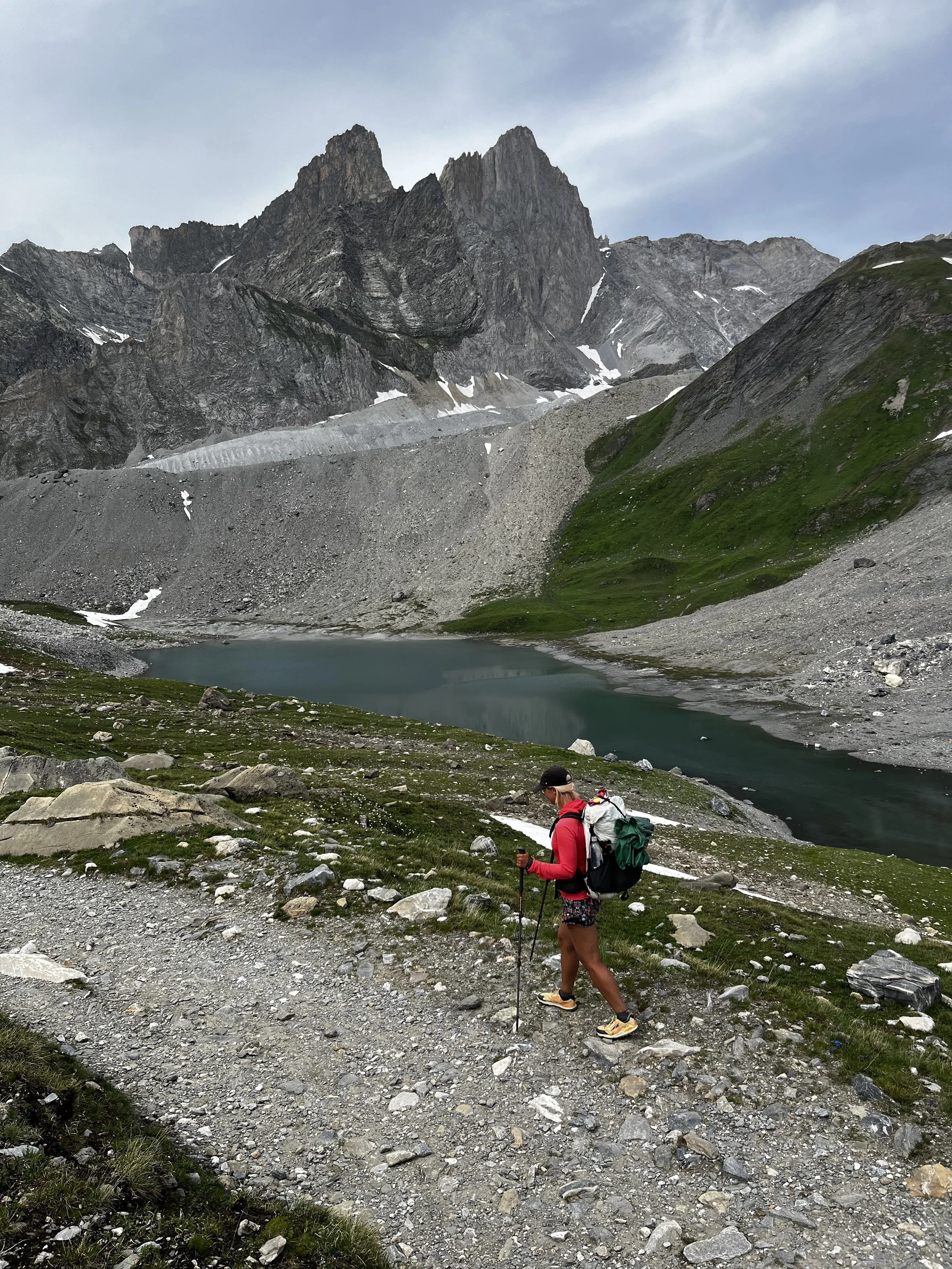
What to Pack for the Hexatrek (Complete Gear List + Why It Matters)
If you’re planning to hike the Hexatrek, one of the biggest questions is:
What do I actually need to pack?
This isn’t a weekend hike — it’s a 3,000+ km thru-hike across France, with everything from hot, dry plateaus to alpine terrain, unpredictable weather, and occasional long stretches between resupply points.
This is the exact gear setup I used to hike all 3,034 km of the Hexatrek (becoming the first North American woman to complete the trail). It helped me as I hiked across the Alps, Pyrenees, and everything in between. I refined a gear setup that balanced weight, comfort, and durability over the four months I spent on trail.
Here’s exactly what I brought — and more importantly, why each piece matters.
Quick Summary: What You Actually Need
Lightweight shelter + sleep system
Minimal clothing (layering system)
Reliable water filtration
Simple cooking setup (or no-cook)
Power + navigation tools
A few essential extras
Before we dive it, I think it’s important to note that if you forgot anything at home, or you’re not sure about an item, don’t worry about it. Anything you forgot, you can pick up in France. There are plenty of well-stocked outdoor gear stores that carry whatever you’ll need.
If you’re on the fence about a non-essential item, try hiking without it first. If you really miss whatever it is along the way, you can grab a new one in town.
Don’t let your gear list stress you out too much. We live and we learn and that’s part of the adventure! This is the gear I carried on the trail, and in the years since, I’ve made adjustments here and there. But this list, got me to the end of the trail and I had a lot of fun doing it.
🏕️ Shelter + Sleep System
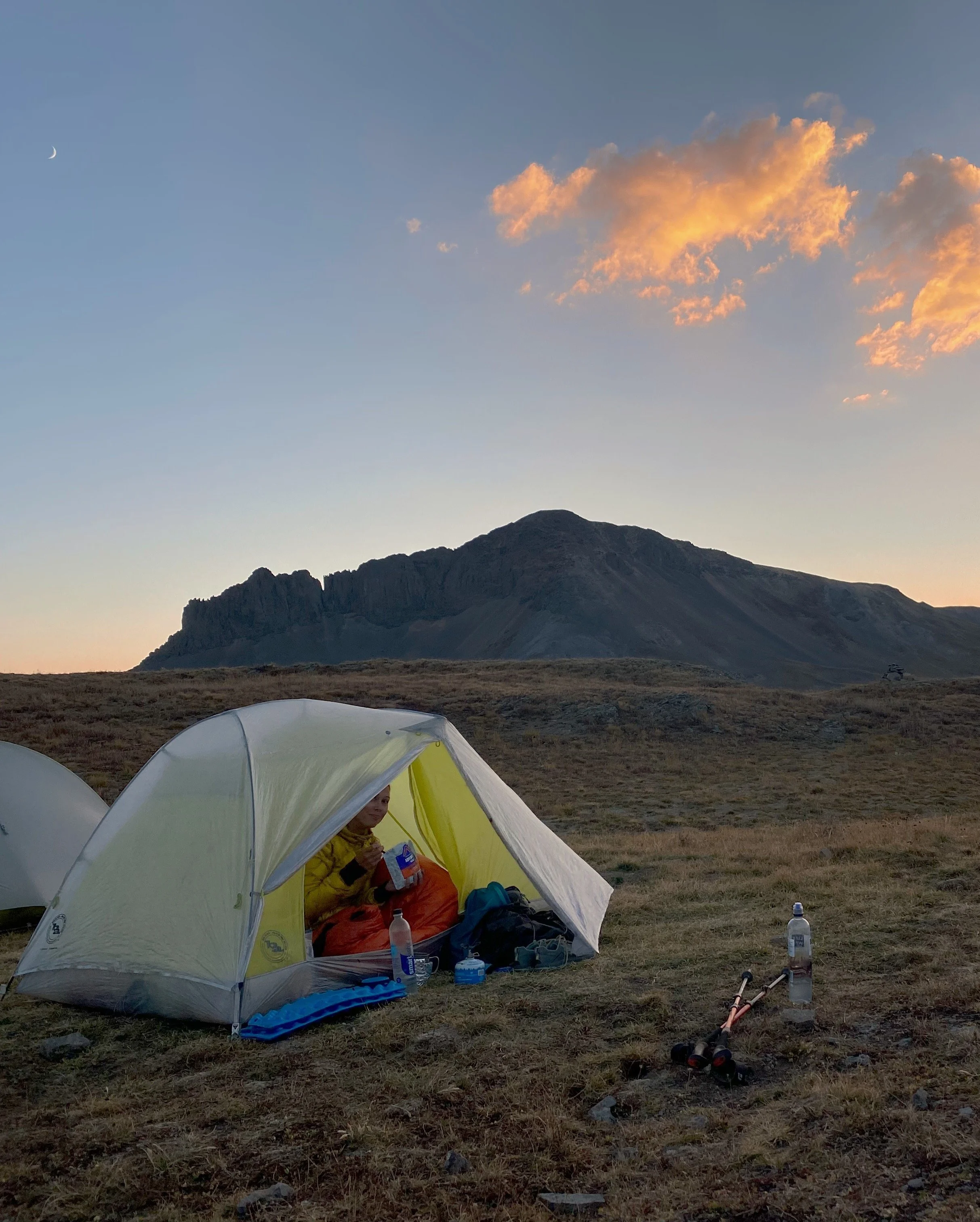
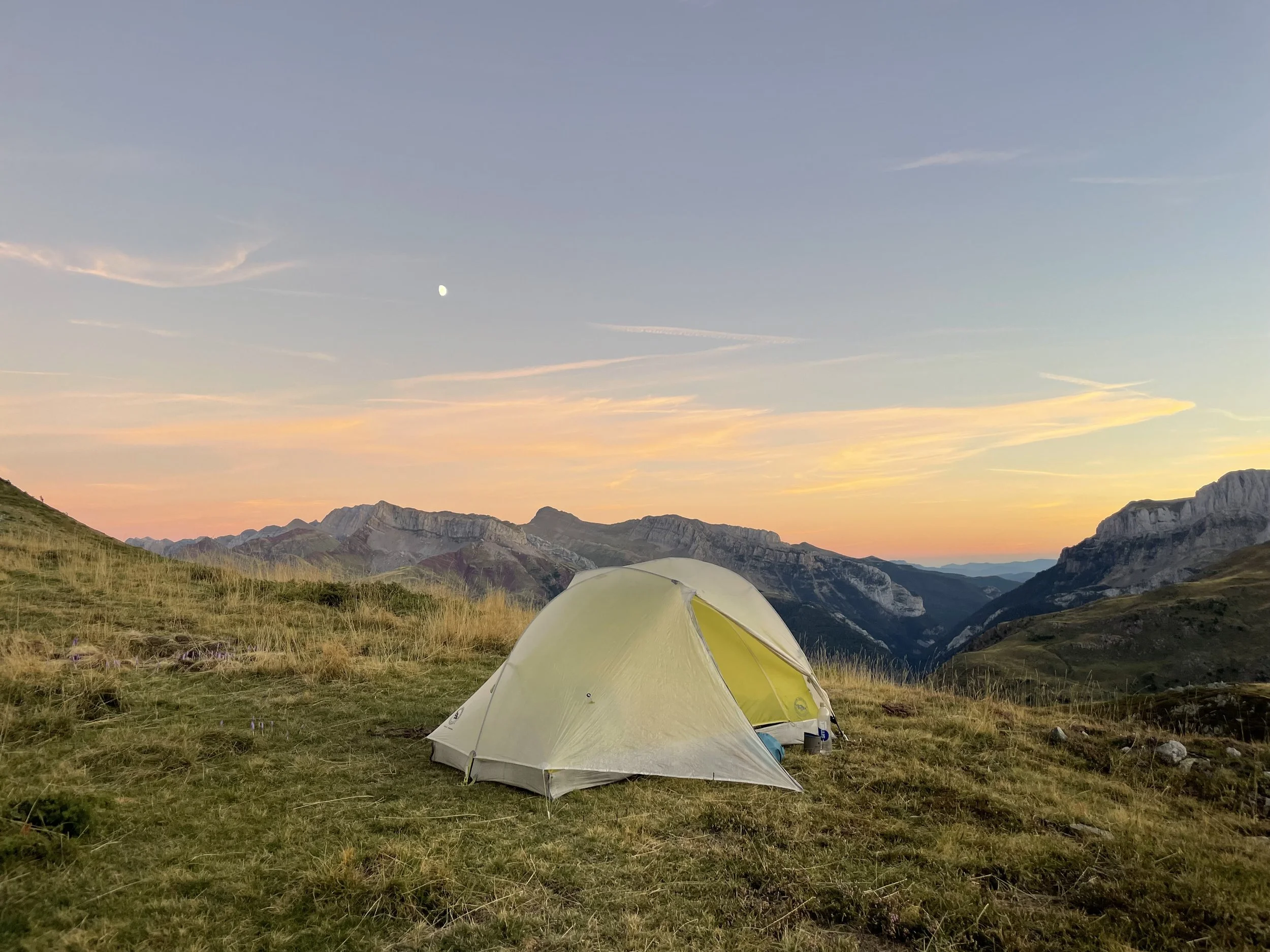
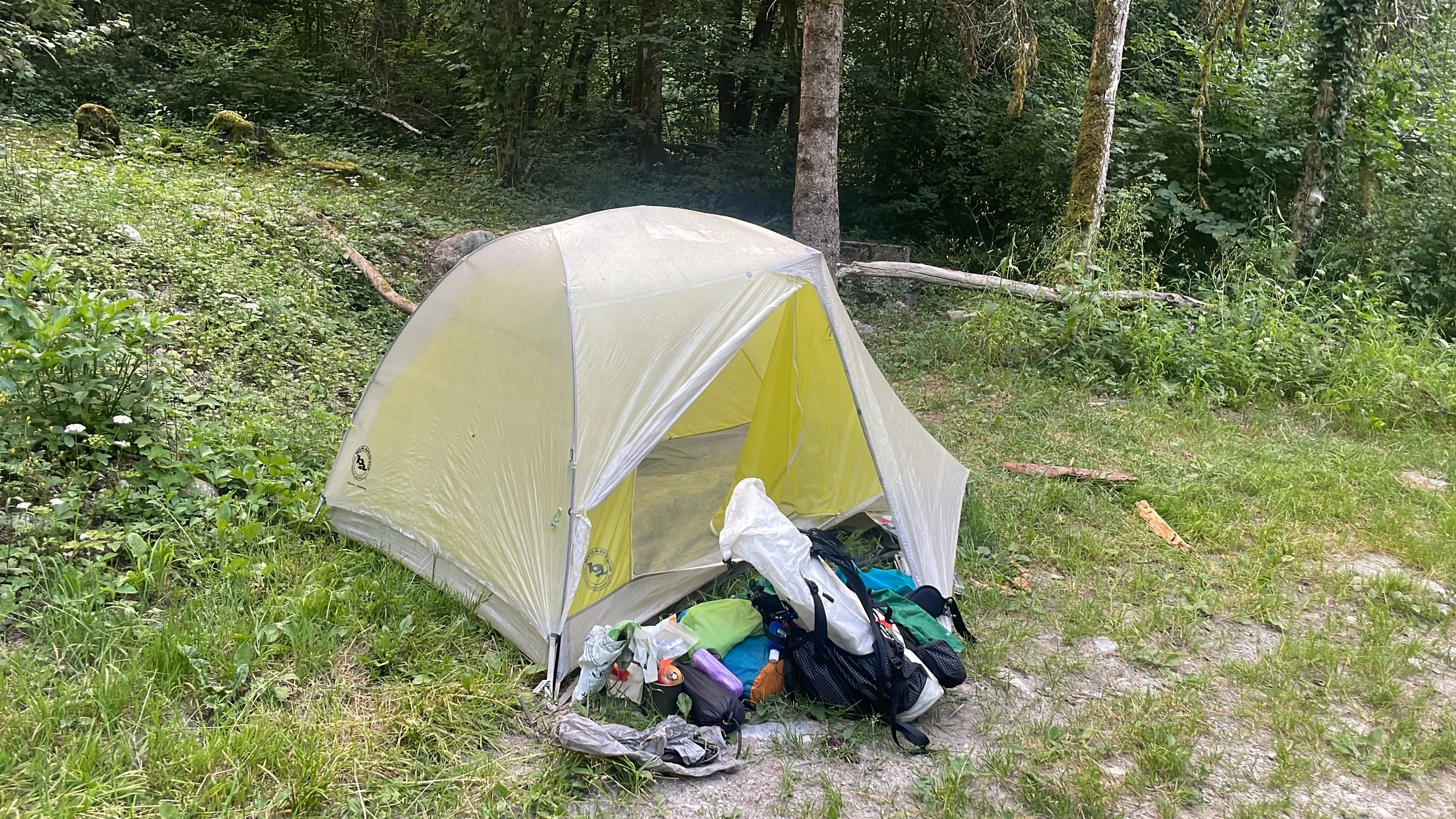
Tent: Big Agnes Tiger Wall Carbon
A lightweight, semi-freestanding tent is ideal for the Hexatrek. You’ll be camping in a mix of environments — from established campgrounds to uneven, rocky terrain — so having something reliable but still light is key.
Footprint: Big Agnes Tiger Wall UL2 Footprint
Optional, but helpful for protecting your tent floor, especially when camping on rough or rocky ground.
Quilt: Enlightened Equipment Revelation 10°F
Even in summer, nights in the Alps can get cold. A warm sleep system is non-negotiable for recovery. I prefer a quilt for weight savings and flexibility. I didn’t need one this warm, but it’s what I already had, so I continued to use it.
Sleeping Pad: Thermarest NeoAir XLite
Comfort matters more than you think. You’ll be hiking day after day, and poor sleep adds up fast. I’ve used this same inflatable mattress for years and love it.
Pillow: Sea to Summit Aeros
Small luxury, big impact. Good sleep = better recovery, better mood, and better hiking. For such a small amount of weight, I still think a pillow is worth carrying.
🎒 Backpack
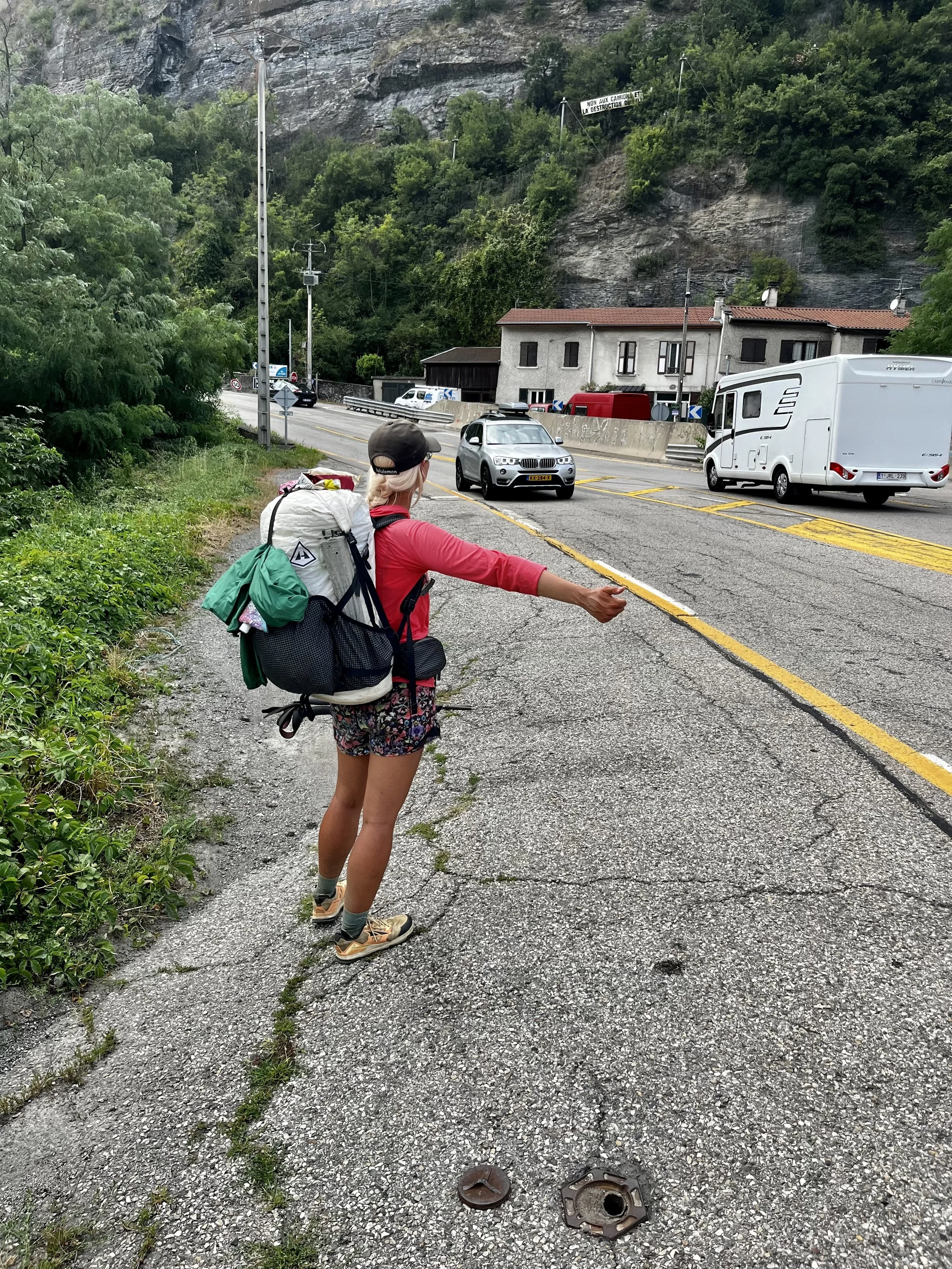
Backpack: Hyperlite Mountain Gear 2400 Southwest
A lightweight, durable pack that can handle long food carries is ideal. The Hexatrek has sections where you’ll need to carry several days of food, so capacity matters — but you still want to keep weight down. I like that this backpack doesn’t have too many bells and whistles, is lightweight but also very durable, and fits a 5-day food carry.
Planning your Hexatrek?
I put everything (budget, route, resupply, logistics) into a complete guide
so you don’t have to piece it together yourself.
Click below to download the full hiking and planning guide.
👕 Clothing
This is where most people overpack.
You’ll be wearing the same few items on repeat, so focus on versatility and layering, not quantity. Just embrace being dirty and smelly and save yourself the trouble of carrying multiple outfits.
Base Layers (REI Merino Bottoms + UNIQLO HEATTECH Top)
Essential for colder alpine sections and sleeping. Also nice to have something to wear on laundry day or under your shorts while in town.
Shirt: Outdoor Research Echo Hoodie
Sun protection is huge, especially in exposed sections. A lightweight hoodie is one of the most-used pieces of gear. Sun exposure in the alpine is extreme and it’s easy to get fried if you’re not taking precautions.
Shorts: Lululemon Hotty Hot 4”
Comfortable, quick-drying, and breathable. I like that these have an elastic waist since I typically lose a few pounds while hiking and these allow for that.
Socks: Darn Tough
Reliable, durable, and worth the investment. It’s the only sock I’ve ever used while hiking.
Underwear + Bra: Patagonia
Quick-drying and comfortable. I wore one bra and carried one extra set of underwear since my shorts had a liner.
Buff + Hat
Multi-use items for sun protection, warmth, and sweat management.
🥾 Footwear
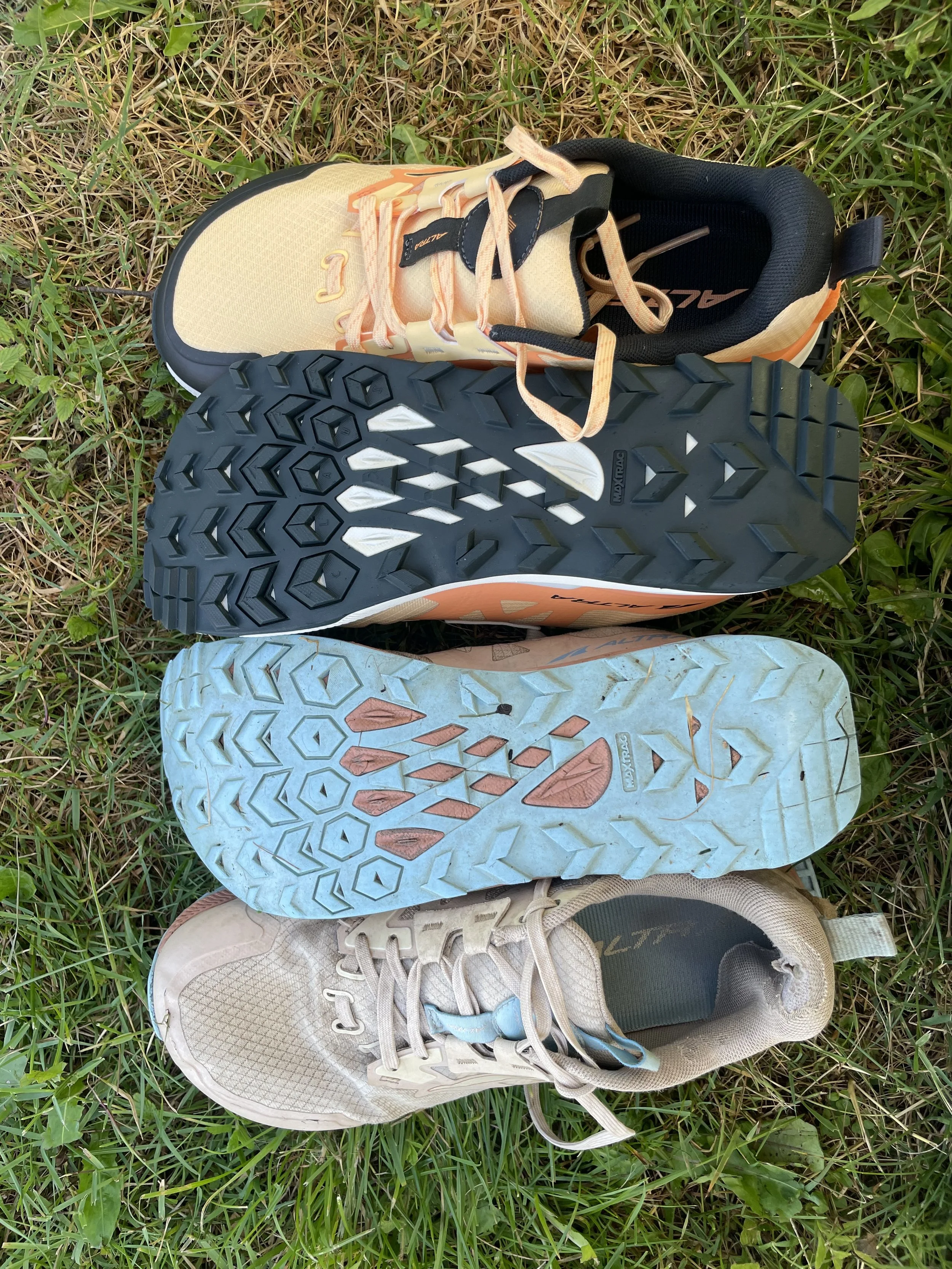
Shoes: Altra Lone Peak 7
Trail runners are the standard for long-distance hiking. They’re lighter, more comfortable, and dry faster than boots. I have since switched to the Astral Nosobos because they last twice as long and the grip is better, so that is also an option.
You will go through multiple pairs — plan for that. You can typically buy new pairs at trail towns along the way. (I go into all of this in more depth in my Guide Book)
Layers (Cold + Rain)
Puffy Jacket: Montbell Superior Down Parka
Even in summer, temperatures can drop significantly in the mountains. A lightweight insulated layer is essential.
Rain Jacket: Outdoor Research Helium
You will encounter rain — especially in the Alps and Pyrenees. Keep it lightweight but functional. Staying dry is a key component of outdoor safety.
🥾 Hiking Gear
Trekking Poles: Black Diamond Trail Poles
Highly recommended for:
• steep climbs
• long descents
• reducing impact on joints
You’ll use these constantly. And if you choose to carry a trekking pole tent, you’ll need them at camp as well.
💧 Water + Filtration
Filter: Platypus QuickDraw
Reliable and fast. You’ll be filtering water daily.
Water Bag: CNOC Vecto
Useful for collecting water from shallow or awkward sources.
Smartwater Bottles or equivalent
Lightweight, cheap, and easy to replace along the way. Fit screw-on water filters.
🔥 Cooking Setup
Stove: BRS 3000T
Ultralight and simple — perfect for heating water. It’s also very affordable.
Pot: Snow Peak Titanium Pot 600 ml
One pot for all your meals.
Spoon/spork + pocket knife
Keep it minimal. You don’t need a full kitchen setup, just enough to eat some noodles out of a pot.
🔌 Electronics
Garmin InReach Mini
Safety item. Allows for SOS and communication in remote areas. Also allows someone at home to track your location. My parents both have a link and like to keep an eye on it as I hike.
Power Bank (20,000 mAh)
You’ll need to charge your phone for navigation apps, and any other devices between towns.
Plug Adapter + Cables
Essential if you’re coming from outside of Europe.
🧼 Misc + Essentials
Headlamp: Black Diamond Spot 400
For early starts, late arrivals, or emergencies.
Dry Bags
Keep critical gear (sleep system, clothes, electronics) dry.
Basic First Aid Kit
Blisters, minor injuries or scrapes are common. I usually carry something for blister care and the occasional scrape, as well as tweezers and nail clippers.
Trowel + Kula Cloth
Leave No Trace is important — and required in many areas.
🧠 What Actually Matters on the Hexatrek
1. You need to balance weight and comfort
Going ultralight is great — but not if it compromises:
• sleep
• warmth
• recovery
2. The trail is incredibly varied
You’re not packing for one environment. You’re packing for:
heat
cold
rain and wind
altitude
Snow or hail
3. Your setup will evolve
Over the course of the trail you’ll:
• swap gear
• replace items
• refine your system
👉 Don’t stress about getting it perfect from day one. There are shops all throughout France where you can make adjustments or replace gear if it fails.
⚠️ Common Packing Mistakes
Bringing too many clothes
Packing “just in case” items
Underestimating alpine conditions
Not testing gear before starting
Carrying unnecessary weight
💡 Final Thoughts
Your gear doesn’t need to be perfect — it just needs to work for you. This is what worked for me to complete all 3000 kms, but even my set up has evolved in the years since I completed this trek.
The Hexatrek will challenge you, but having a dialed-in setup makes a huge difference in how much you enjoy the experience.
🚀 Want the Full Hexatrek Planning System?
This gear list is just one piece of the puzzle.
Inside my full guide, I cover:
• Budget and cost breakdowns
• Route planning and stages
• Resupply strategy
• Campsites and accommodation
• Navigation tools
• Mental and physical preparation
👉 Get the full guide here:
https://www.laurenroerick.com/store/p/hiking-the-hexatrek-the-complete-guide
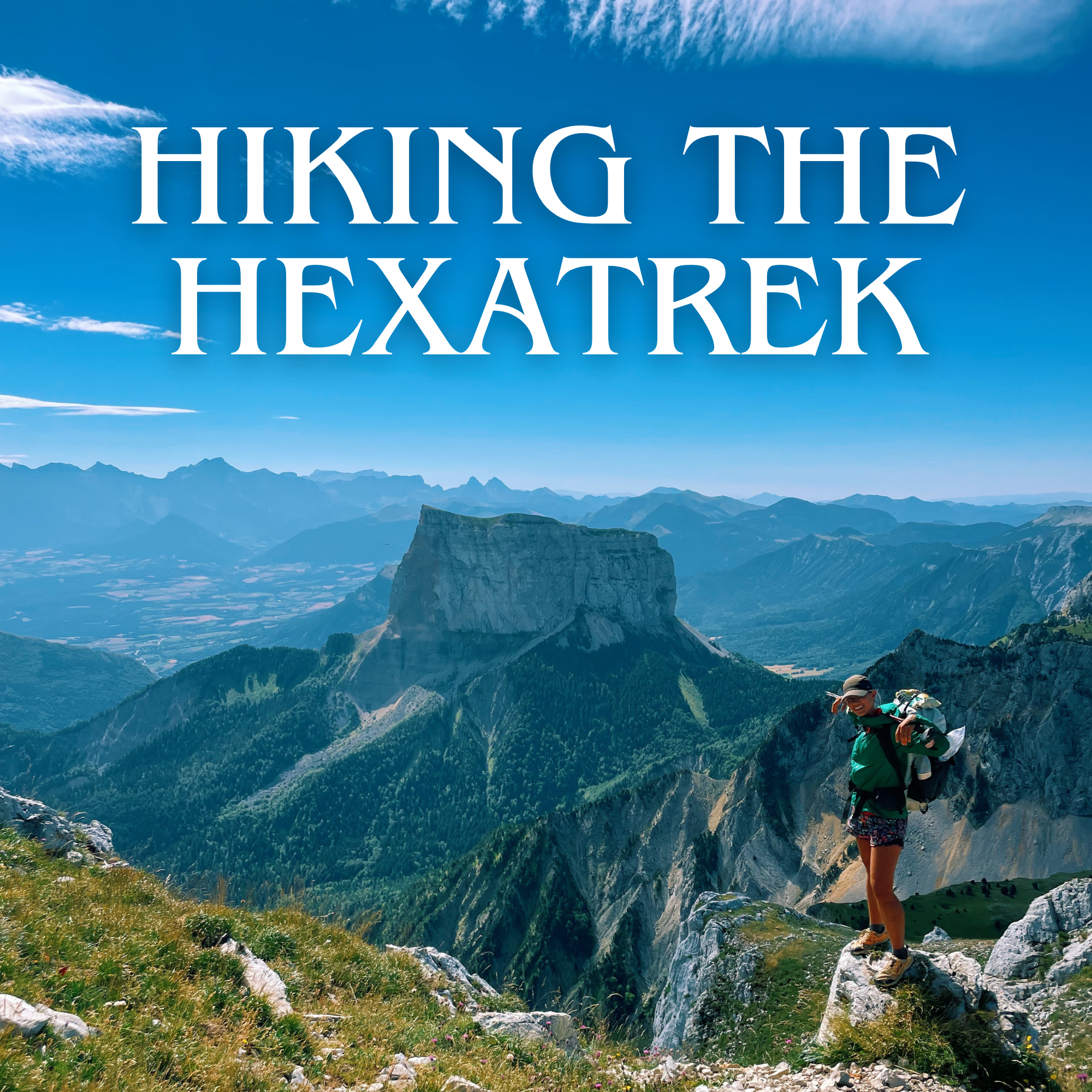
Everything you need to plan and successfully hike the Hexatrek — built by someone who actually did it.
If you’re thinking about hiking the Hexatrek, you’ve probably already realized one thing: there isn’t a lot of clear, reliable information out there.
This trail is still new, logistics can be confusing, and figuring it all out on your own can take weeks (or months).
That’s exactly why I created this guide.
I hiked the full 3,034 km Hexatrek in 2023 and became the first North American woman to complete the trail. This guide is everything I wish I had before I started — and everything you need to feel confident stepping onto the trail.
Inside, you’ll learn how to:
• Plan your route and understand each stage of the trail
• Get to the start and navigate your way across France
• Budget realistically and avoid running out of money mid-hike
• Pack the right gear (and avoid overpacking)
• Resupply efficiently and manage food on trail
• Find campsites, accommodation, and water sources
• Stay safe and prepared in unfamiliar terrain
• Physically and mentally prepare for a long-distance hike
• Understand trail culture, expectations, and what life on trail actually feels like
This isn’t just information — it’s clarity.
Instead of piecing together advice from forums, blogs, and scattered resources, this guide gives you a clear, structured plan so you can spend less time stressing and more time getting excited about your hike.
Who this is for:
This guide is for you if:
• You’re planning a Hexatrek thru-hike or section hike
• You want to feel prepared before you arrive
• You don’t want to learn everything the hard way
• You value real experience over generic advice
Over 100 pages of detailed information, maps, and photos to help you go from “can I do this?” to “I’m ready.”
Start planning your Hexatrek adventure today.
*This is a digital download